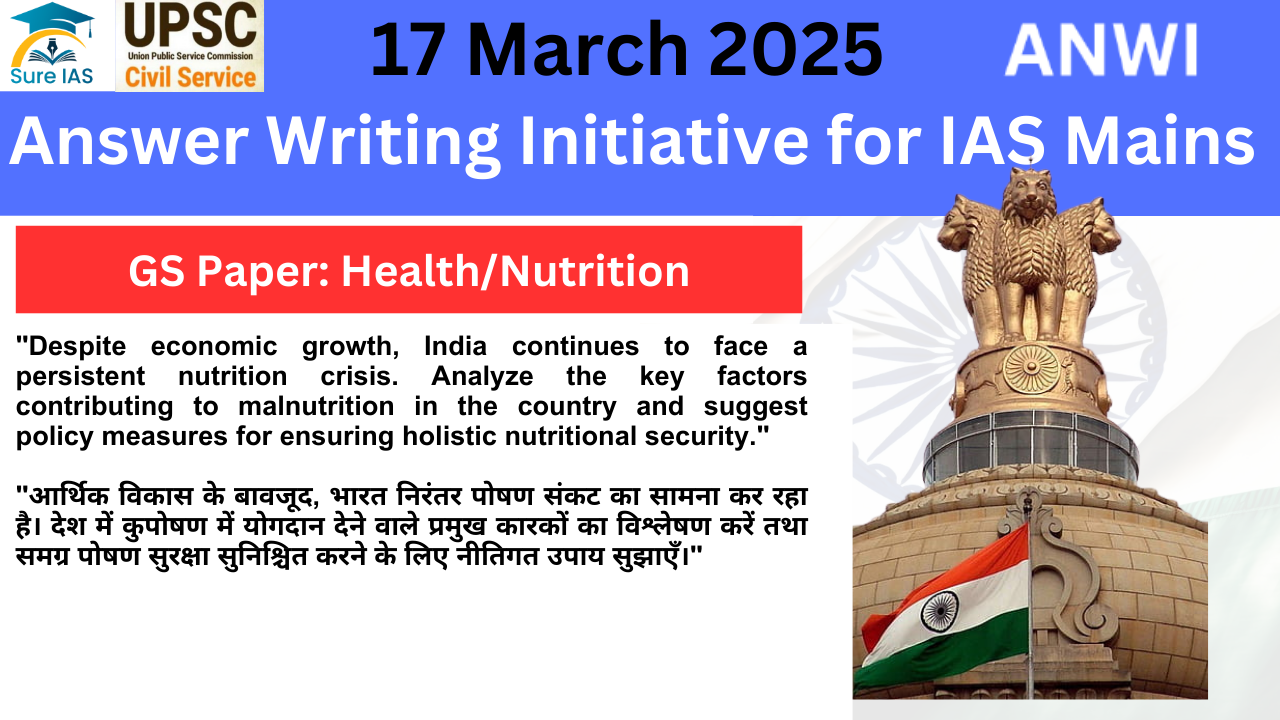
India-China relations are shaped by a complex interplay of competition, cooperation, and geopolitical tensions. Analyze the evolving dynamics of India-China relations in the context of regional and global geopolitics. Suggest measures to manage bilateral challenges while safeguarding India’s strategic interests.
भारत-चीन संबंधों को प्रतिस्पर्धा, सहयोग और भू-राजनीतिक तनावों के जटिल अंतर्संबंध द्वारा आकार दिया जाता है। क्षेत्रीय और वैश्विक भू-राजनीति के संदर्भ में भारत-चीन संबंधों की उभरती गतिशीलता का विश्लेषण करें। भारत के सामरिक हितों की सुरक्षा करते हुए द्विपक्षीय चुनौतियों का प्रबंधन करने के उपाय सुझाएँ।
Content for answer Writing:
India-China relations are characterized by a mix of historical baggage, strategic competition, and selective cooperation. As two rising Asian powers and nuclear-armed neighbors with a shared border of over 3,400 km, the bilateral equation holds critical implications for regional and global geopolitics. The dynamics have shifted notably in recent years, particularly after the Galwan Valley clash (2020), marking a significant deterioration in trust.
Evolving Dynamics of India-China Relations
1. Geopolitical Competition
Border Disputes: The unresolved boundary issue, especially in Eastern Ladakh and Arunachal Pradesh, remains the primary friction point. The 2020 Galwan clashes—India’s first combat fatalities at the LAC in over four decades—marked a turning point.
China’s Assertion in South Asia: Beijing’s deepening economic and strategic ties with India’s neighbors—like Pakistan (CPEC), Nepal, Sri Lanka, and the Maldives—are seen as part of a “String of Pearls” strategy to encircle India.
Strategic Alignments: India’s participation in the Quad (with US, Japan, and Australia) and deeper engagement with Indo-Pacific powers is viewed warily by China.
2. Economic Interdependence
Despite tensions, China remains India’s second-largest trading partner. Bilateral trade reached $136 billion in 2022, though heavily skewed in China’s favor with a $83 billion trade deficit for India.
India has taken steps to reduce economic dependence, banning over 250 Chinese apps and tightening FDI rules from neighboring countries for security reasons.
3. Multilateral Engagement
India and China cooperate in forums like BRICS, SCO, and G20, reflecting areas of convergence on global governance, climate change, and reforming multilateral institutions.
However, China’s stance on issues like blacklisting terrorists at the UNSC, and its opposition to India’s NSG membership, strain diplomatic ties.
Measures to Manage Bilateral Challenges
1. Reviving Diplomatic Channels
Reinvigorate Working Mechanism for Consultation and Coordination (WMCC) and Special Representatives Dialogue to maintain communication and prevent miscalculations.
Institutionalize crisis hotlines between military commands for faster de-escalation.
2. Border Infrastructure and Clarity
Accelerate infrastructure development along the LAC and push for demarcation and delimitation of contested sectors through joint agreements.
3. Economic Rebalancing
Diversify supply chains under India’s Atmanirbhar Bharat initiative and boost manufacturing competitiveness to reduce Chinese import dependency.
Promote India-China economic complementarities in non-sensitive sectors like green technology and pharma.
4. Strategic and Regional Diplomacy
Deepen ties with ASEAN, Africa, and Indian Ocean nations through Act East and SAGAR policies to counterbalance Chinese influence.
Continue engaging in multilateral forums while pushing for rules-based order in Indo-Pacific.
Conclusion
India-China relations will remain a complex mix of rivalry and cooperation. While strategic mistrust is likely to persist, calibrated diplomacy, economic prudence, and strong deterrence can help India manage challenges while safeguarding its national interests in an evolving geopolitical landscape.